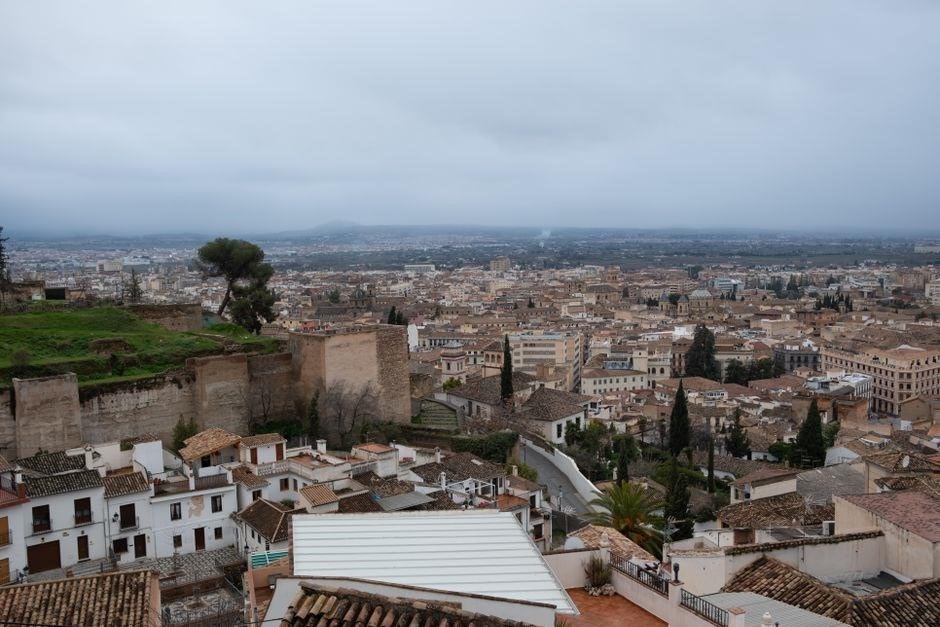
Alhambra and Generalife Gardens
The Alhambra, a 13th‑century fortress, showcases Moorish architecture and so courtyards. Adjacent, the Generalife Gardens offer tranquil terraces, water features, and fragrant citrus trees, reflecting Andalusian horticultural artistry. The gardens feature terraced pools, orange groves, and roses!!.
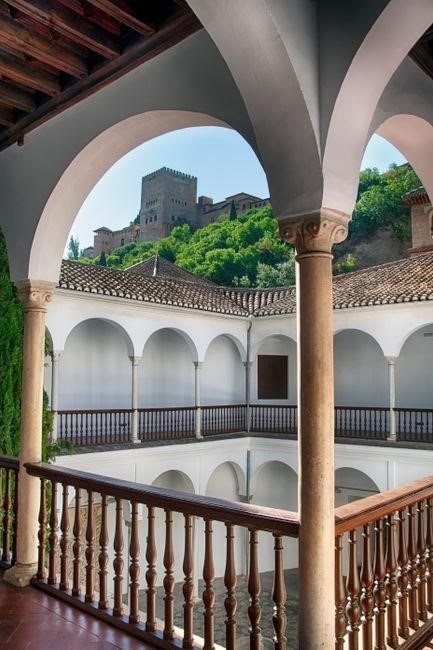
Albaicín – The Historic Moorish Quarter
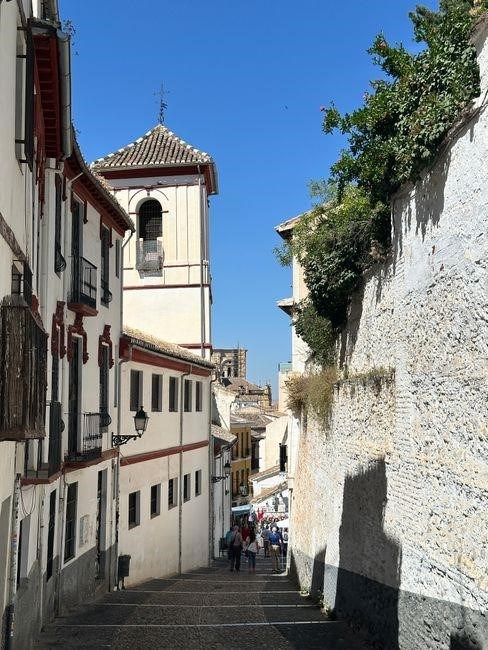
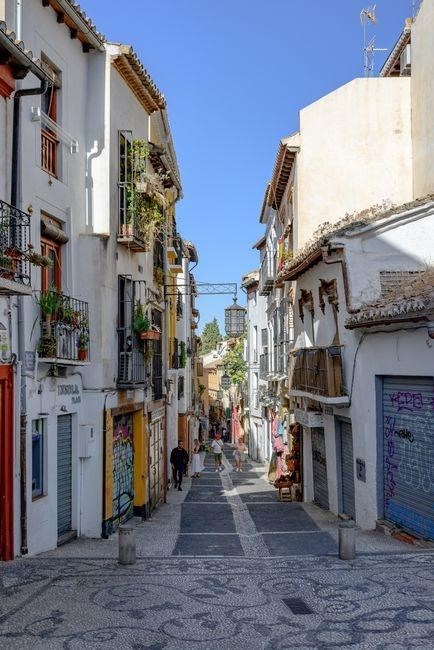
Albaicín, the ancient Moorish quarter, rises on the hill overlooking the Alhambra, offering narrow, winding streets that echo the city’s Islamic past. The neighborhood’s architecture blends whitewashed houses, intricately carved wooden balconies, and stucco arches, creating a living museum of 15th‑century craftsmanship. Visitors can wander the cobblestone lanes, stopping at the Mirador de San Nicolás for panoramic views of the fortress and the Sierra Nevada beyond. The area is dotted with historic mosques, such as the 14th‑century Mosque of the Alhambra, and charming plazas where locals gather for tea and conversation. Traditional Andalusian gardens, with fragrant orange trees and terracotta fountains, line many alleys, offering a sensory journey through centuries of horticultural design. The quarter is also a hub for artisanal workshops, where craftsmen produce wrought‑iron lanterns, hand‑woven rugs, and intricate ceramics, preserving techniques passed down through generations. Cultural events, including flamenco performances in intimate venues, showcase the region’s musical heritage. Albaicín’s blend of history, architecture, and vibrant street life makes it a must‑visit destination for travelers seeking an authentic glimpse into Granada’s Moorish legacy.
More details about the quarter’s layout, the influence of the Nasrid dynasty, and the preservation efforts that earned UNESCO World Heritage status are woven into every corner. Local tapas bars serve traditional dishes like tortilla del Albaicín and jamón ibérico, while the annual Festival de la Alhambra celebrates Moorish heritage with music, dance, and storytelling. The quarter’s labyrinthine streets invite exploration, revealing hidden courtyards, ancient fountains, and the subtle interplay of light and shadow that has inspired artists for centuries.
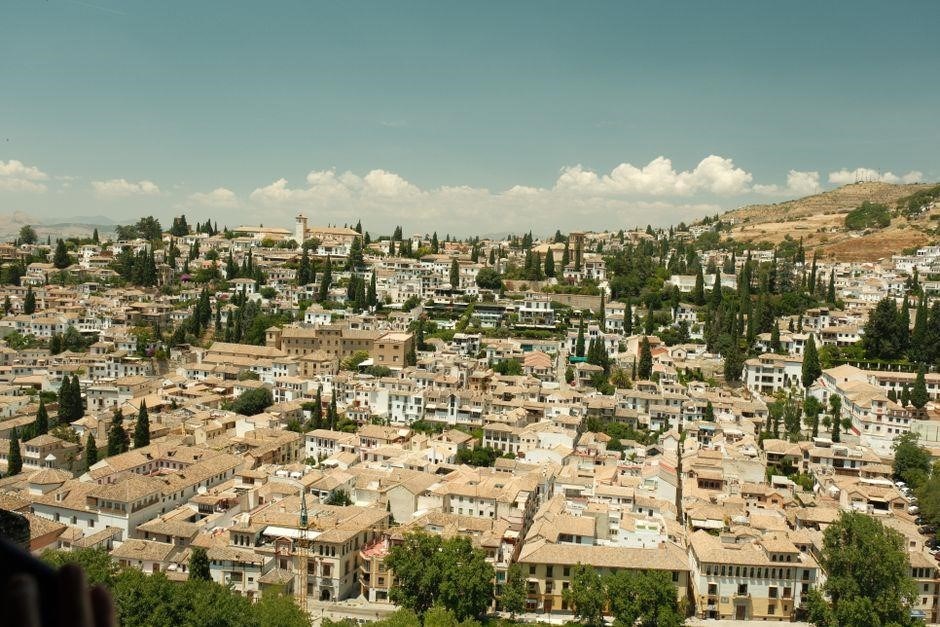
Sacromonte – The Cave Houses and Flamenco Legacy
Perched on a steep hill overlooking the Alhambra, Sacromonte is a living museum of Andalusian heritage. Its network of cave dwellings, carved into the volcanic tuff, dates back to the 14th century when Muslim families sought refuge from the Christian reconquest. Today, the caves have been restored into homes, inns, and cultural centers, preserving the original stone walls, low ceilings, and rustic balconies that echo the region’s architectural vernacular. The most celebrated feature of Sacromonte is its flamenco tradition. The neighborhood’s intimate courtyards and open‑air stages host nightly performances where singers, guitarists, and dancers showcase the raw emotional intensity of the art form. The legend of the “Cueva de la Guitarra” tells of a guitarist who carved a guitar from a single stone, symbolizing the deep connection between the land and the music. Visitors can explore the Sacromonte Museum, which houses a collection of flamenco costumes, instruments, and photographs that chronicle the genre’s evolution from the 18th‑century “Cante de los Judíos” to contemporary fusion styles. Guided tours often include a stop at the “Cueva de la Miel,” a historic cave where local artisans once produced honey and cured meats, illustrating the self‑sufficiency of past communities. For those seeking an immersive experience, several cave restaurants offer traditional tapas paired with live flamenco, allowing guests to taste the flavors of Granada while feeling the rhythm of its soul. Whether you’re a history buff, music enthusiast, or simply curious about the unique blend of natural and cultural landscapes, Sacromonte offers a window into the heart of Andalusia’s past and present.
In addition to its historical significance, Sacromonte’s geography provides a dramatic backdrop for sunset walks. The hill’s steep slopes are lined with sycamore and olive trees, offering shaded pathways that lead to panoramic viewpoints overlooking the city’s skyline. The area also hosts annual festivals, such as the “Festival de la Guitarra” in September, where local and international musicians gather to celebrate the instrument’s heritage. For travelers, the best time to visit is late afternoon, when the lighting softens the stone and the sound of flamenco drifts through the air, creating an unforgettable sensory experience. The integration of art, architecture, and nature makes Sacromonte a must‑visit destination for anyone exploring Granada.
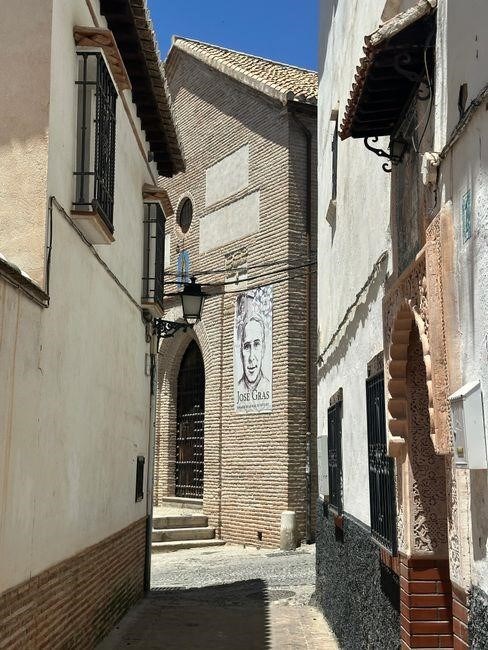
Granada Cathedral and Royal Chapel
The Granada Cathedral, a magnificent example of Spanish Renaissance architecture, stands beside the Royal Chapel, the burial site of the Catholic Monarchs. Construction began in 1525 on the former mosque site, blending Gothic, Renaissance, and Baroque styles. Its towering nave, vaulted ceilings, and ornate altarpieces showcase intricate stonework and gilded wood carvings. The Royal Chapel, built in the 16th century, houses the tombs of Ferdinand and Isabella, with a marble sarcophagus and a painted ceiling depicting the Coronation of the Virgin. Inside, visitors can admire the 17th‑century retablo, a masterful altarpiece by the Sevillian artist Juan de Valdés Leal. The cathedral’s bell tower offers panoramic views of the Alhambra and the surrounding Sierra Nevada. Adjacent to the cathedral, the Royal Chapel’s cloister features a serene courtyard with a fountain and a collection of religious sculptures. The complex also includes a small museum displaying liturgical vestments, chalices, and historical manuscripts; Guided tours explain the architectural evolution and the significance of the site in Spain’s unification. The cathedral’s acoustics are renowned, making it a popular venue for classical concerts and choral performances. Visitors are encouraged to attend the daily Mass or the weekly organ recital to experience the spiritual ambience. The cathedral’s proximity to the Alhambra makes it a convenient stop for travelers exploring Granada’s cultural heritage. Its stained‑glass windows glow softly at dusk!.
Mirador de San Nicolás – Iconic City Views
The Mirador de San Nicolás, perched on the San Nicolás hill in Granada’s Albaicín, offers a panoramic vista that has become an icon of the city. From its stone steps and wrought‑iron railings, visitors can see the Alhambra’s palaces and towers framed against the Sierra Nevada’s snow‑capped peaks, while the city’s whitewashed houses spread below. The viewpoint is especially dramatic at sunset, when the sun’s golden rays illuminate the Alhambra’s minarets and the intricate tilework glows. Historically, the mirador has been a gathering place for locals and tourists alike, and it is a popular spot for photography, poetry readings, and evening concerts. To avoid crowds, it is best to arrive early in the morning or late in the evening, but the view remains spectacular at any time of day. The mirador is accessible via a short walk from the Alhambra entrance, and the surrounding Albaicín streets offer charming cafés, artisan shops, and narrow alleys that echo the Moorish past. A small fee is charged for entry, and the site is open daily from dawn to dusk, with extended hours during the summer months. Whether you are a history buff, an architecture enthusiast, or simply looking for a memorable sunset, the Mirador de San Nicolás delivers an unforgettable experience that captures the essence of Granada’s cultural and natural beauty.
Legend has it that the name “San Nicolás” comes from a 14th‑century church that once stood on the hill, though the current structure dates to the 19th century. The mirador’s stone platform was built to provide a strategic observation point for the city’s defenders. Today, it serves as a cultural landmark, with a small museum displaying photographs of Granada’s evolution and a plaque commemorating the poet Federico García Lorca, who once praised the view in his verses. The surrounding gardens, planted with olive trees and aromatic herbs, offer a quiet retreat for those wishing to linger and absorb the city’s atmosphere. The mirador is also a favored spot for stargazers during clear nights, as the lack of light pollution allows for a crisp view of the Milky Way.
Visitors often leave the mirador with a sense of wonder, carrying the memory of Granada’s timeless charm. Enjoy and share today!
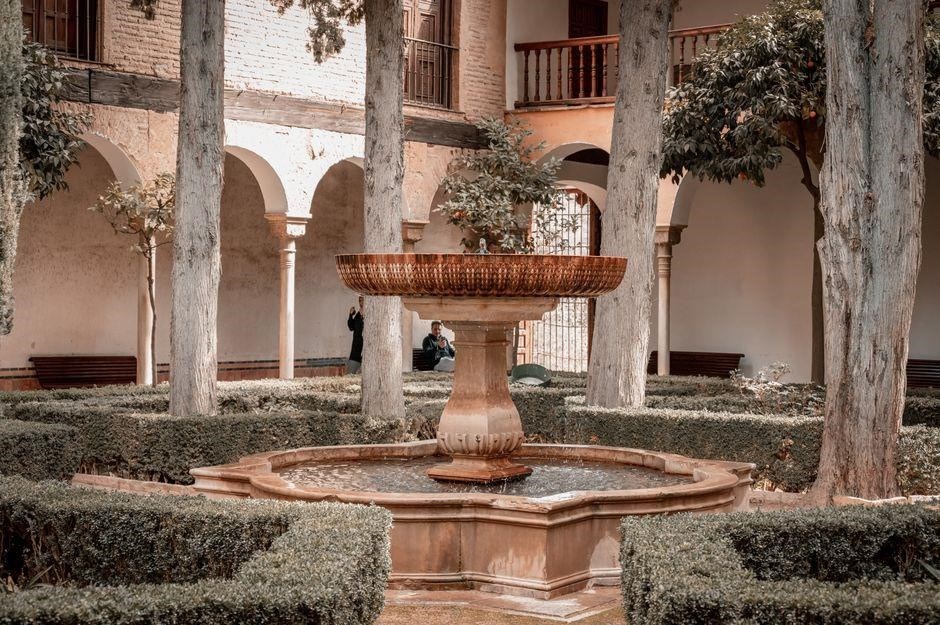
Tapas Culture – Must‑Try Local Bars
Granada’s tapas scene is a living mosaic of flavors, where every pintxo tells a story of Andalusian heritage. Start your evening in the Albaicín’s winding alleys, where traditional taverns serve “pintxos de tortilla” and “jamón ibérico” paired with a glass of local sherry. Move to the Sacromonte, and you’ll find rustic bars that offer “chorizo al vino” and “albondigas” simmering in tomato broth, their aromas mingling with the echo of flamenco guitars. In the city center, the bustling Plaza Nueva hosts modern tapas bars that fuse classic techniques with contemporary twists—think “bacalao con patatas bravas” and “gambas al ajillo” sizzling in copper pans. For a truly authentic experience, seek out the hidden “bodegas” tucked behind narrow doors; these family‑run spots serve “tortilla de patata” with a splash of local vinegar, and “queso de cabra” drizzled with honey. Don’t miss the “tapas de la tarde” tradition, where patrons linger over a series of small plates, sharing stories and laughter. Each bar’s ambiance reflects Granada’s vibrant culture, from the ornate tilework of the old quarter to contemporary art installations in modern districts. Whether you’re a seasoned foodie or a curious traveler, Granada’s tapas bars promise an unforgettable journey through taste, history, and community. Many bars also offer live music, from flamenco trios to jazz ensembles, creating a sensory tapestry that complements the culinary delights. Remember to ask for the “tapas del día” for a surprise selection of the chef’s specials, and enjoy the communal spirit that defines Granada’s nightlife. The friendly staff will guide you through the menu, ensuring you taste the best of Granada’s culinary heritage. Finally, don’t forget to savor the sweet “tarta de Santiago” or “flan” as a dessert, completing the tapas experience with a touch of Andalusian sweetness.
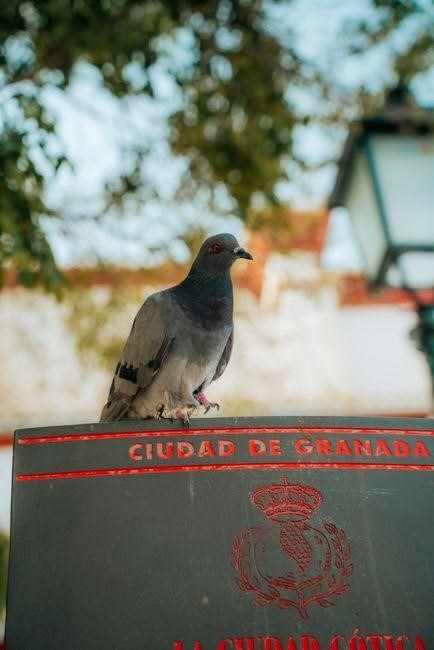
Mercado de San Agustín – Granada’s Food Market
Nestled in the heart of Granada, the Mercado de San Agustín is a vibrant culinary hub that blends tradition with modernity. Open daily from 7 am to 2 pm, the market offers a kaleidoscope of fresh produce, artisanal cheeses, cured meats, and local olive oils. Stalls are lined with colorful displays of heirloom tomatoes, fragrant herbs, and an array of citrus fruits that reflect the region’s Mediterranean climate. Visitors can sample tapas‑style bites such as jamón serrano, chorizo al vino, and freshly baked pan con tomate, all prepared on site by local vendors. The market also hosts weekly farmers’ markets where produce is sourced directly from Andalusian farms, ensuring peak freshness. In addition to food, artisans sell handmade ceramics, textiles, and traditional Spanish lace, making the market a cultural experience as well as a gastronomic one. For those interested in culinary workshops, the market offers cooking classes that teach how to prepare classic Granada dishes, from paella to tortilla de patata. The atmosphere is lively, with the hum of vendors, the aroma of roasted nuts, and the occasional live flamenco guitar providing a backdrop that captures the soul of Granada. Whether you’re a seasoned foodie or a casual traveler, Mercado de San Agustín invites you to immerse yourself in the flavors and textures that define Andalusian cuisine.
The market’s architecture reflects its 19th‑century origins, with vaulted ceilings and wrought‑iron balconies that echo the city’s Moorish heritage. A small café inside serves freshly brewed café con leche and churros, while a dedicated section showcases local honey, jam, and artisanal sweets. Tourists often gather around the central fountain, where the market’s name is carved in stone, creating a picturesque meeting point for locals and visitors alike.
Seasonal festivals transform the market into a festive arena. During the Semana Santa, stalls display traditional processional costumes and offer churros with hot chocolate. In the summer, a “Fiesta de la Caña” brings live music, dancing, and a tasting of local wines. The market’s open‑air layout encourages spontaneous conversations, making it a perfect spot to learn about Granada’s culinary traditions from seasoned vendors who have passed recipes down through generations.
A visit to Mercado de San Agustín is not just a shopping trip; it’s a sensory journey that encapsulates the heart of Granada’s gastronomy.
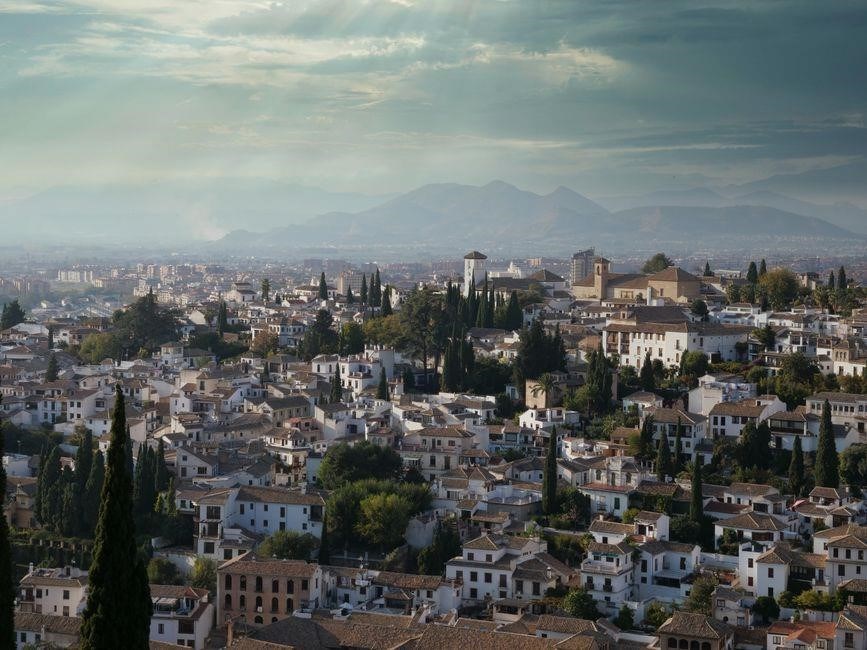
Museums: Museo de Bellas Artes & Science Park
The Museo de Bellas Artes de Granada, housed in a 17th‑century convent, showcases a rich collection of Spanish art spanning the 15th to 19th centuries. Highlights include works by Zurbarán, Murillo, and Goya, alongside a remarkable array of religious paintings and altarpieces that illustrate Granada’s artistic evolution. The museum’s layout combines traditional gallery spaces with modern exhibition techniques, offering visitors an immersive journey through Iberian art history.
Adjacent to the museum, the Parque de las Ciencias (Science Park) provides an interactive experience for all ages. Its permanent exhibitions cover astronomy, biology, and physics, featuring hands‑on displays that demystify complex concepts. The park also hosts temporary exhibitions, a planetarium, and a science cinema that offers nightly shows about the cosmos. Educational workshops, guided tours, and a science cinema further enrich the visitor experience, making the park a hub for learning and exploration.
Both institutions are easily accessible via public transport and are located near the historic center, allowing visitors to combine art, science, and Granada’s architectural heritage in a single itinerary. The museums’ opening hours and admission fees vary seasonally, so checking the official websites before visiting is recommended. Whether you’re a history enthusiast, a science lover, or simply seeking cultural enrichment, these museums provide a comprehensive glimpse into Granada’s artistic and intellectual legacy.
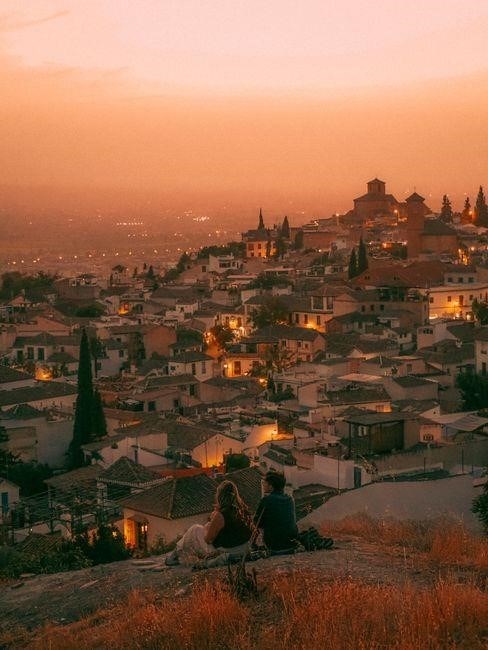
Parks and Gardens: Parque de las Ciencias & Carmen de los Mártires
Parque de las Ciencias, located in eastern Granada, is a science museum blending exhibits with a botanical garden. Visitors explore the planetarium, the “Planetarium of the Universe” and the “Planetarium of the Earth,” each offering immersive audiovisual presentations. The park’s greenhouses house tropical and Mediterranean flora, while the “Garden of the Sun” showcases native plants in a sun‑lit setting. The “Aquarium” displays local marine life, and the “Science Café” provides a space for discussion and learning. The park hosts temporary exhibitions, workshops for children, and a “Science Lab” where visitors conduct experiments on physics, chemistry and biology. Its design encourages hands‑on learning, making it a popular destination for school trips and families alike.
Carmen de los Mártires, a garden near the city center, offers an escape from urban bustle. Established in the 18th century, the garden features a central fountain, trees, and a pavilion hosting events. Its winding paths are lined with fragrant roses, lavender, and citrus trees, creating an experience that reflects Granada’s heritage. The garden’s layout, with terraces and alcoves, provides a peaceful setting for reflection and strolls. Nearby, the “Casa de los Mártires” museum preserves artifacts from the Spanish Civil War, adding a historical layer to the green space. The garden’s proximity to the Alhambra makes it a stop for visitors seeking a quiet moment after exploring the fortress. Its pathways invite both locals and tourists to pause and reflect.
Festivals: Granada International Song Festival
The Granada International Song Festival, held annually in March, draws performers from across Spain and beyond. Established in 1994, the event showcases contemporary Andalusian music, blending flamenco, pop, and world‑beat influences. The festival’s main venue is the historic Teatro Principal, where intimate concerts feature up‑to‑date arrangements of traditional songs. In addition, the open‑air stages in the Alhambra’s outer courtyards provide a unique acoustic backdrop, allowing audiences to experience music amid the fortress’s ancient walls. Participants include emerging artists and seasoned maestros, all competing in categories such as Best New Voice, Best Songwriting, and Best Fusion Performance. The competition culminates in a grand finale where winners receive a silver trophy and a recording contract with a leading label. Beyond the contests, the festival offers workshops, masterclasses, and jam sessions, encouraging cultural exchange and skill development. Local musicians collaborate with international guests, creating spontaneous performances that highlight the city’s rich musical heritage. The festival’s outreach program also includes free concerts for schoolchildren, ensuring that Granada’s musical legacy continues to inspire future generations. Visitors can enjoy the festival’s vibrant atmosphere while exploring nearby attractions, such as the Alhambra, the Albaicín, and the bustling Mercado de San Agustín. The event is supported by the city council, regional tourism boards, and private sponsors, underscoring Granada’s commitment to preserving and promoting its artistic identity.
Festival organizers also host a nightly “Flamenco Night” featuring renowned dancers, where music and movement intertwine to showcase the soul of Andalusia. Attendees can sample local tapas and sherry at the adjacent tapas bars, creating a full sensory experience. The festival’s schedule is published months in advance, allowing visitors to plan their itinerary around the performances, workshops, and cultural tours. Tickets are available online and at the venue, with discounted rates for students and seniors. The Granada International Song Festival has become a cornerstone of the city’s cultural calendar, attracting music lovers, scholars, and tourists alike, and reinforcing Granada’s reputation as a hub of artistic innovation. The festival’s impact extends beyond music, fostering community pride and economic growth through increased tourism.
Nightlife: Albaicín Bars & Rooftop Lounges
As dusk settles over the winding streets of Albaicín, a vibrant nightlife scene awakens. Small, intimate bars line the narrow alleys, offering a mix of traditional Andalusian tapas, local sherry, and contemporary cocktails. Patrons can enjoy live flamenco performances in cozy venues, where passionate guitarists and dancers create an electric atmosphere. Rooftop lounges perched above the historic quarter provide panoramic views of the Alhambra, its illuminated towers casting a golden glow across the city. These terraces host themed evenings, from salsa nights to jazz sessions, attracting both locals and international visitors. Many establishments feature open‑air seating, allowing guests to sip drinks while listening to the distant hum of the city. The blend of historic architecture and modern hospitality creates a unique experience that reflects Granada’s cultural heritage. Whether you prefer a quiet glass of vermouth in a hidden alcove or a lively night of music on a rooftop, Albaicín’s nightlife offers something for every taste. The area’s bars also showcase regional wines, including the renowned Ribera del Duero, and offer small plates of cured ham and cheese. For those seeking a more relaxed evening, some venues provide hammam‑style steam rooms, where guests can unwind after a day of sightseeing. The nightlife scene is complemented by street performers, impromptu guitarists, and the occasional live band, adding to the dynamic rhythm of the city after dark. With its blend of tradition and contemporary flair, Albaicín remains a must‑visit destination for night owls and cultural enthusiasts alike.
Accommodation: Boutique Hotels & Hostels
Granada’s boutique hotels blend historic charm with modern comforts, offering curated experiences that echo the city’s Moorish heritage. The Alhambra Palace Hotel sits within a restored 17th‑century palace, featuring a rooftop terrace that overlooks the Alhambra’s silhouette at dusk. Guests enjoy private courtyards, a traditional hammam, and a menu of Andalusian tapas crafted from local produce. Nearby, the Casa del Marqués offers a rooftop pool, a library of regional literature, and a personalized concierge service that arranges guided Alhambra tours and flamenco lessons. For travelers seeking budget‑friendly options, the Hostal La Alhambra provides clean, comfortable rooms with shared kitchen facilities and a rooftop garden that offers panoramic city views. The hostel’s communal lounge hosts nightly cultural nights, featuring local musicians and storytelling sessions. Another popular choice is the Hotel Casa Morisca, a former 19th‑century townhouse that has been meticulously restored to preserve original arches and wooden beams. Its rooms are decorated with hand‑woven textiles, and the on‑site restaurant serves traditional Granada dishes such as jamón de la Sierra and tortilla de patata. All accommodations emphasize sustainability, and locally sourced materials. Whether you prefer the luxury of a boutique hotel or the communal vibe of a hostel, Granada’s lodging options cater to every traveler’s taste and budget.
Transportation: Tram, Bus & Bicycle Rental
Getting around Granada is straightforward thanks to a network of trams, buses, and a growing bike‑sharing scheme; The city’s tram system, Tram Granada, runs from the historic center to the outskirts, connecting key sites such as the Alhambra, the University, and the airport. Buses operated by EMT cover the entire metropolitan area, with frequent routes to the university campus, the airport, and the Sierra Nevada ski resort. Tickets are sold at kiosks, online, or via a mobile app, and a single‑day pass offers unlimited travel on both tram and bus lines.
For those who prefer a more active mode, Granada’s Bike Granada program offers electric and standard bicycles for short‑term rental. Stations are located near major attractions, hotels, and public transport hubs. A simple QR‑code scan unlocks the bike, and the return process is equally hassle‑free. This eco‑friendly option is ideal for exploring the narrow streets of the Albaicín, the gardens of the Alhambra, or the coastal promenade of the Costa Tropical.
All public transport is wheelchair accessible, and the city’s pedestrian‑friendly layout encourages walking for short distances. Whether you choose tram, bus, or bike, you’ll find reliable, affordable, and convenient ways to explore Granada’s rich cultural tapestry.
Passengers can purchase single‑journey tickets, multi‑day passes, or a combined tram‑bus card that offers a discount on longer trips. The city’s ticketing app provides real‑time schedules, route maps, and service alerts, making it easy to plan a day of sightseeing or a quick commute between neighborhoods and discover and enjoy.
Day Trips: Sierra Nevada & Costa Tropical
From Granada, a short drive to Sierra Nevada offers alpine hiking, snow sports, and panoramic vistas of the Cordillera. The national park’s highest peak, Mulhacén, stands at 3,479 m, attracting climbers and nature lovers. Guided treks, cable‑car rides, and mountain refuges provide accessible adventure for all ages.
Across the coast, Costa Tropical presents a subtropical escape. The stretch from Motril to Almuñécar features sandy beaches, palm‑lined promenades, and clear waters ideal for snorkeling. Local markets sell fresh citrus, and seaside restaurants serve grilled fish and traditional paella.
Both destinations showcase Granada’s diverse landscapes: rugged mountains and warm shores. Planning a day trip allows visitors to experience the region’s natural beauty, cultural heritage, and culinary delights beyond the city limits.
Travelers often choose a bus from Granada’s central terminal to Sierra Nevada, a 45‑minute ride that snakes through pine‑clad valleys and offers panoramic views of the Cordillera. The bus stops near the Mulhacén refuge, where hikers can rest before ascending the highest peak. For Costa Tropical, the A‑92 coastal road winds past fishing villages, olive groves, and the historic town of Motril, making the journey as scenic as the destination. Rental cars are available, giving visitors flexibility to explore hidden coves and mountain trails at their o pace.
Both trips promise unforgettable experiences!!