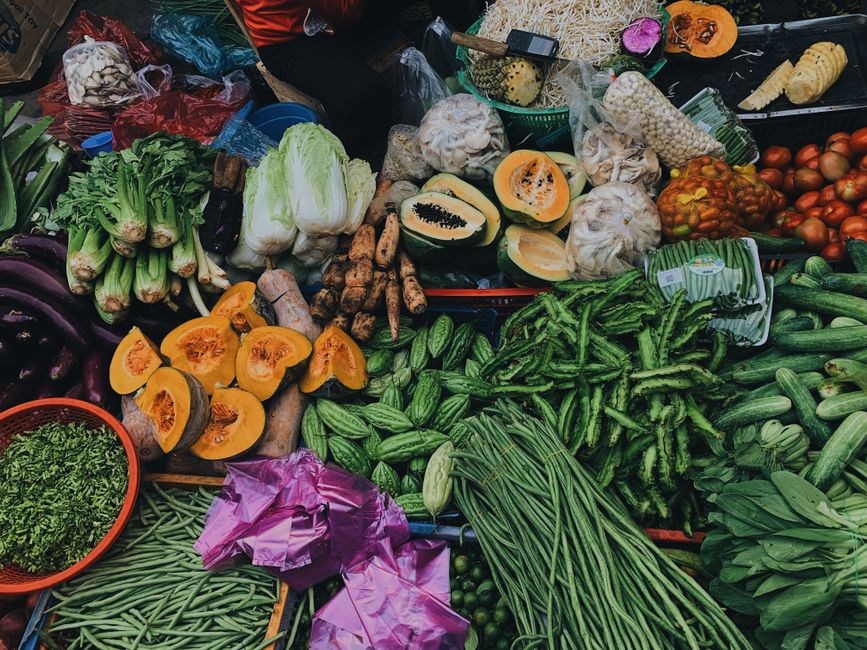
Explore how modern diets blend grains, legumes, and a wide range of produce, with roughly 80% of calories coming from plant sources. Free downloadable alphabetical catalogs appear in PDF, Excel, Word, and text, offering images, names, and health insights for each vegetable. Use it to plan balanced meals
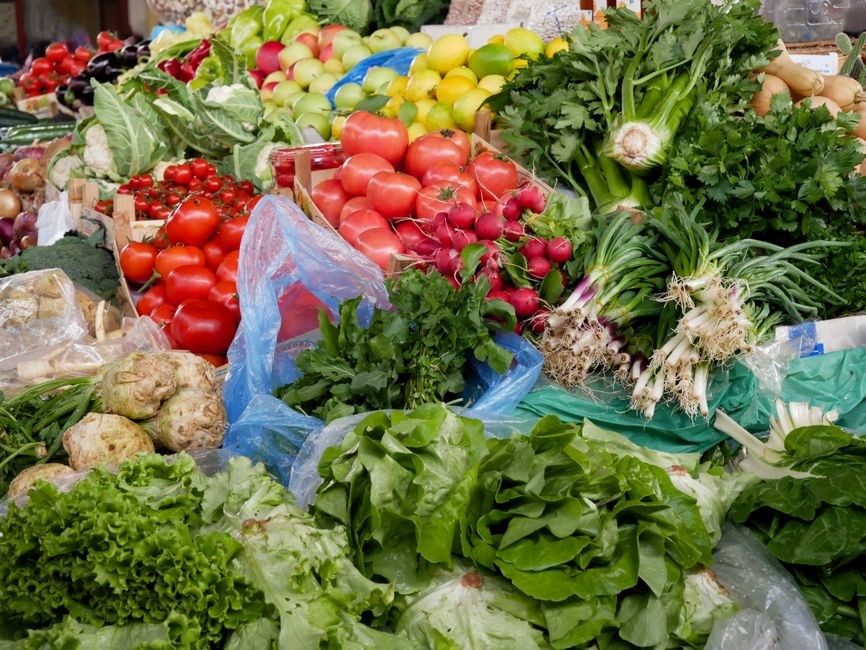
Benefits of Using PDF Vegetable Guides
PDF vegetable guides offer a versatile, portable reference that adapts to modern lifestyles. With a single file, nutritionists, chefs, and home cooks can quickly scan a comprehensive alphabetical list, instantly identifying key nutrients, family classifications, and culinary uses. The format preserves high‑resolution images, making it easy to match visual cues with names, which is especially helpful for beginners learning plant identification. PDFs retain formatting across devices, ensuring that color‑coded sections—such as leafy greens, root vegetables, and nightshades—remain consistent whether viewed on a tablet, laptop, or printed copy. This consistency supports educational settings, where teachers can distribute identical worksheets to students without formatting errors. Moreover, PDF files are searchable; users can type a vegetable’s name and jump directly to its entry, saving time during meal planning or grocery shopping; The ability to annotate or highlight sections allows dietitians to mark recommended portions or note seasonal availability. Because PDFs are lightweight, they can be downloaded quickly even on slower internet connections, and they can be stored offline for use in areas with limited connectivity. Finally, many PDF vegetable lists are available for free, reducing the cost barrier for individuals and community programs seeking to promote healthy eating habits. By leveraging these advantages, anyone can create a current resource that supports informed food choices and encourages a diverse, plant‑rich diet.
Because PDFs are lightweight, they can be downloaded quickly even on slower internet connections, and they can be stored offline for use in areas with limited connectivity. The file’s fixed layout guarantees that color‑coded sections—such as leafy greens, root vegetables, and nightshades—remain consistent whether viewed on a tablet, laptop, or printed copy. This consistency supports educational settings, where teachers can distribute identical worksheets to students without formatting errors. Moreover, PDF files are searchable; users can type a vegetable’s name and jump directly to its entry, saving time during meal planning or grocery shopping. The ability to annotate or highlight sections allows dietitians to mark recommended portions or note seasonal availability; Additionally, the PDF’s compatibility with assistive technologies ensures that visually impaired users can access the same comprehensive information through screen readers, fostering inclusivity in nutrition education. Users can also export the list to spreadsheet software, enabling dynamic filtering by nutrient content or seasonal availability, which streamlines grocery budgeting and reduces food waste. The PDF format supports embedded hyperlinks to nutrition databases, enabling instant access to up‑to‑date research and evidence‑based recommendations.
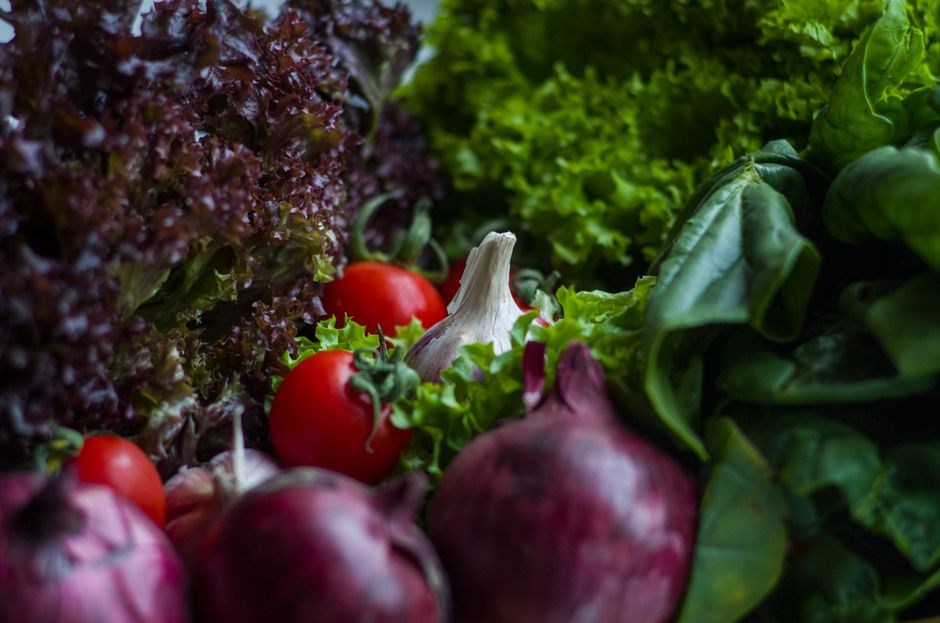
Common File Formats for Vegetable Lists
When compiling a comprehensive vegetable reference, users often encounter several file formats that serve distinct purposes. The most prevalent is the PDF, prized for its fixed layout, embedded images, and cross‑platform compatibility. PDFs preserve formatting, making them ideal for sharing printable lists that include photographs, nutritional data, and alphabetical ordering. For those who prefer spreadsheet manipulation, the Excel (.xlsx) format offers editable cells, sortable columns, and built‑in formulas to calculate quantities or cost per serving. Word (.docx) files provide a flexible word‑processing environment, allowing users to add notes, highlight favorites, or integrate the list into larger documents such as meal plans or grocery budgets. Open Office (.ods) and LibreOffice (.ods) variants cater to open‑source enthusiasts, offering similar spreadsheet functionality without proprietary constraints. Plain text (.txt) files deliver a lightweight, universally readable option, perfect for quick reference on mobile devices or for importing into custom applications. Each format addresses a different workflow: PDF for distribution, Excel for analysis, Word for editorial control, Open Office for open‑source compatibility, and TXT for simplicity. Selecting the right format depends on whether the goal is to share, edit, or simply view the vegetable inventory. Additionally, some publishers provide compressed ZIP archives containing multiple formats, enabling users to choose the most convenient file type without downloading each one separately. When choosing a format, consider the intended audience, device compatibility, and whether the list will be annotated or printed. The choice of format ultimately influences how easily the information can be accessed, modified, and shared across diverse platforms. Converters maintain resolution fully and integrity.
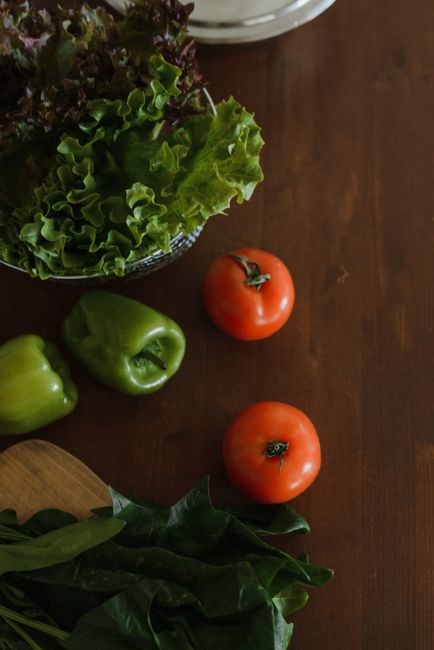
Alphabetical Vegetable Listings
Alphabetical vegetable lists are a cornerstone for anyone looking to diversify their diet or simply keep track of the produce they enjoy. A comprehensive A‑to‑Z catalog, available in PDF, Excel, Word, or plain text, provides a quick reference that includes each vegetable’s name, a clear image, and a brief description of its culinary uses. By downloading the free PDF version, users can view the entire collection offline, print it for kitchen reference, or integrate it into a digital meal‑planning app. The document’s structure—organized from A through Z—makes it easy to locate a specific vegetable or browse by initial letter. Each entry typically lists the vegetable’s family, key nutrients, and common preparation methods, allowing readers to make informed choices about which items to include in their weekly grocery list. Because the file is accessible in multiple formats, it caters to a wide range of preferences: the PDF is ideal for printing and annotating, the Excel sheet allows for sorting and filtering, and the plain text file can be imported into note‑taking or recipe‑management software. Users can also annotate the PDF directly, highlighting favorites or marking items they have already tried. This flexibility makes the alphabetical listing a practical tool for chefs, nutritionists, and home cooks, helping them maintain a colorful plate. Its intuitive design makes browsing a breeze for all users. Download now to start exploring!
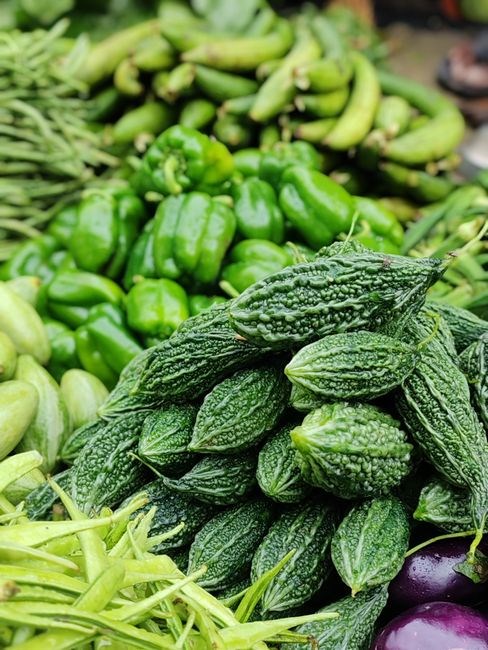
Vegetable Categories by Family
Vegetables are grouped into botanical families, each with shared traits and nutrition. A PDF list can organize items by family, helping users spot patterns and diversify meals. PDFs often include images, nutritional data, can be filtered by family or color. Lists aid meal planning, grocery shopping, making it easier to explore diverse flavors, fresh, ensure balanced healthy diets. They serve educational tools for children learning about plant families .
- Brassicaceae (Crucifers): broccoli, cauliflower, kale, Brussels sprouts, cabbage, radish, turnip, collard greens.
- Solanaceae (Nightshades): tomato, eggplant, bell pepper, potato.
- Apiaceae (Umbellifers): carrot, celery, parsley, dill, fennel, coriander.
- Alliaceae (Alliums): onion, garlic, leeks, chives, shallots.
- Amaranthaceae (Amaranths): spinach, Swiss chard, beet greens, amaranth leaves;
- Poaceae (Grasses): corn, rice, wheat, barley.
- Cucurbitaceae (Squash): cucumber, zucchini, pumpkin, melon, squash.
- Liliaceae (Lilies): onion, garlic, leeks, scallions, shallots.
Using a PDF family list helps nutritionists and cooks spot complementary flavors, balance macro‑and micronutrients, and cut food waste by rotating family members weekly. It also supports meal‑planning templates, tracks grocery inventory, and can be shared or printed for quick reference during shopping trips. Every day.
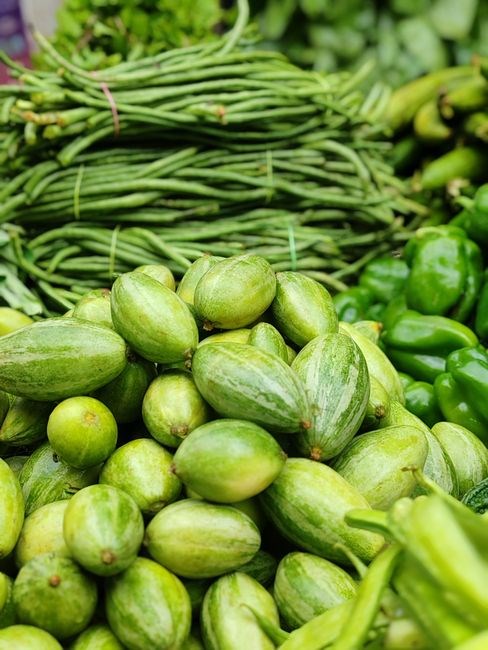
Health Benefits of Key Vegetable Groups
Cruciferous vegetables—such as broccoli, cauliflower, kale, and Brussels sprouts—are powerhouses of nutrition. They provide abundant vitamin A and vitamin C, which support immune function and skin health. These greens also contain omega‑3 fatty acids and zinc, minerals linked to heart health and cellular repair. In a typical diet where about 80 percent of calories come from grains, legumes, and vegetables, incorporating a variety of cruciferous produce can help balance macronutrients while boosting antioxidant intake. The fiber in these vegetables aids digestion and promotes satiety, reducing the likelihood of overeating. Additionally, the phytochemicals found in cruciferous plants, such as sulforaphane, have been studied for their potential anti‑cancer properties. By adding a handful of these veggies to daily meals—whether in salads, stir‑fries, or roasted dishes—consumers can enjoy a flavorful way to increase nutrient density without significantly raising calorie counts. The versatility of cruciferous vegetables makes them an ideal choice for those seeking to enhance overall health through a plant‑rich diet.
Consumers can also benefit from the diverse color palette of vegetables, as each hue often signals distinct phytonutrients. For example, orange carrots are rich in beta‑carotene, while deep‑green spinach supplies lutein and zeaxanthin. Incorporating a rainbow of veggies not only enhances flavor but also maximizes antioxidant coverage supporting reducing inflammation.
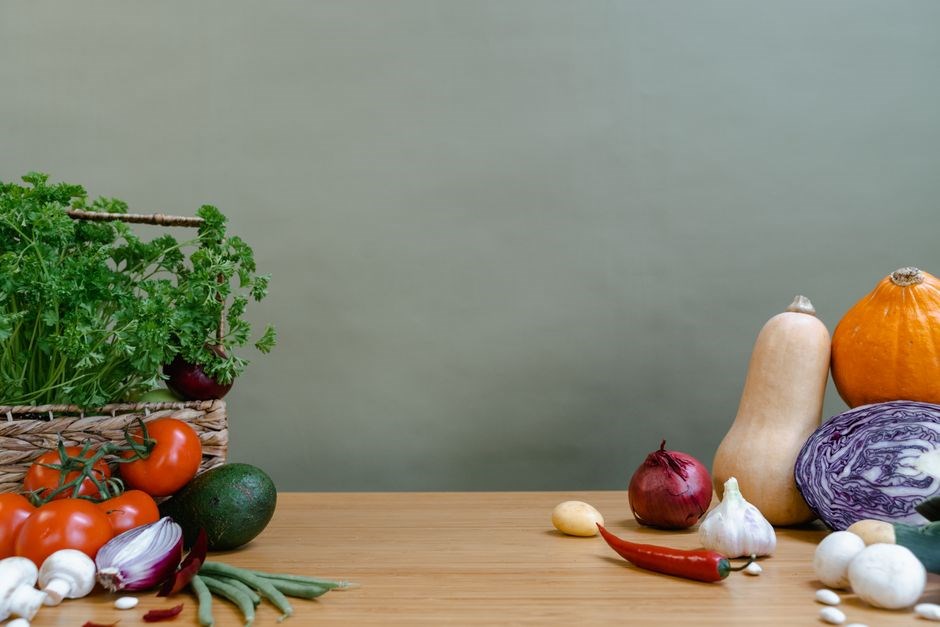
Nutritional Profiles of Popular Vegetables
Modern dietary guides often provide downloadable PDFs that list vegetables alphabetically, pairing each name with key nutrients. For example, the cruciferous group from the Brassicaceae family—broccoli, cauliflower, kale and Brussels sprouts—delivers high levels of Vitamin A and Vitamin C, plus omega‑3 fatty acids and zinc, supporting immune function and eye health.
Leafy greens such as spinach and Swiss chard are celebrated for iron, calcium, and folate, while orange vegetables like carrots and sweet potatoes supply beta‑carotene, a provitamin A antioxidant. Legume‑type vegetables, including green peas and edamame, contribute protein, fiber, and B‑vitamins, aiding digestion and energy metabolism.
Each PDF entry typically includes a concise nutritional profile: calories per 100 g, macronutrient breakdown, and prominent micronutrients. Users can sort the list by family, color, or nutrient density, making it easy to design balanced meals that meet daily recommended intakes.
Tomatoes provide lycopene, potassium and vitamin C, contributing to heart health.Red bell peppers are among the richest sources of vitamin C, offering more per gram than citrus fruits. Cucumbers deliver hydration with low calories and contain silica for skin elasticity. Legumes such as lentils add iron, folate and plant‑based protein, while mushrooms supply vitamin D when exposed to sunlight. Each entry in the PDF lists these key values, enabling quick comparison across varieties.
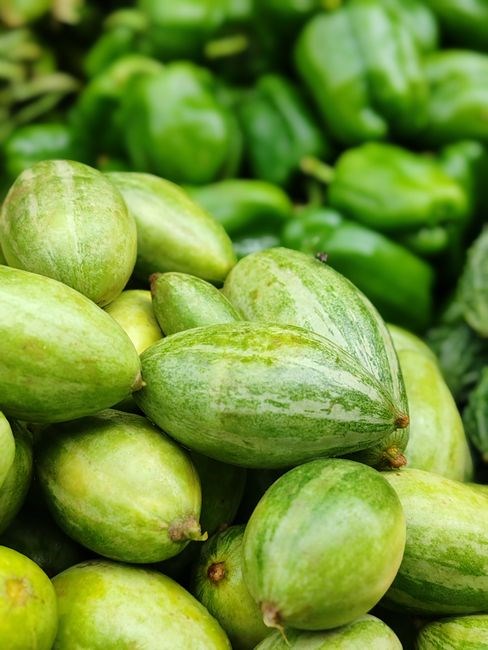
How to Download and Print Vegetable PDFs
Most sites provide an alphabetical vegetable list in PDF, Excel, Word, or Open Office formats. The PDF version keeps the pictures, names, and layout intact, making it ideal for printing.
- Find the link: Look for a button that says “Free download as PDF File (.pdf)” or “click here to download and print this free English vocabulary list.”
- Save the file: Right‑click the link and choose “Save link as…” to store the PDF on your computer.
- Open the PDF: Use any PDF reader (Adobe Acrobat, Foxit, or a browser). Verify that the document shows the vegetable images and English names.
- Print it: In the print dialog select “Fit to page” or “Actual size,” enable duplex printing if available, and print a hard‑copy checklist.
Many repositories also offer the list in Excel or Word, which can be useful for customizing your own checklist before converting back to PDF. Verify the file size and checksum if provided to ensure the download is complete and uncorrupted.
When printing, select high‑quality paper to preserve image clarity, and consider printing double‑sided to reduce waste. After printing, store the sheets in a dry folder to keep them readable for future meal planning.!!
After printing, compare the paper list with the screen version to ensure all entries are clear. Return to the source periodically for updates and leave feedback if you spot errors.
Using Vegetable PDFs for Meal Planning
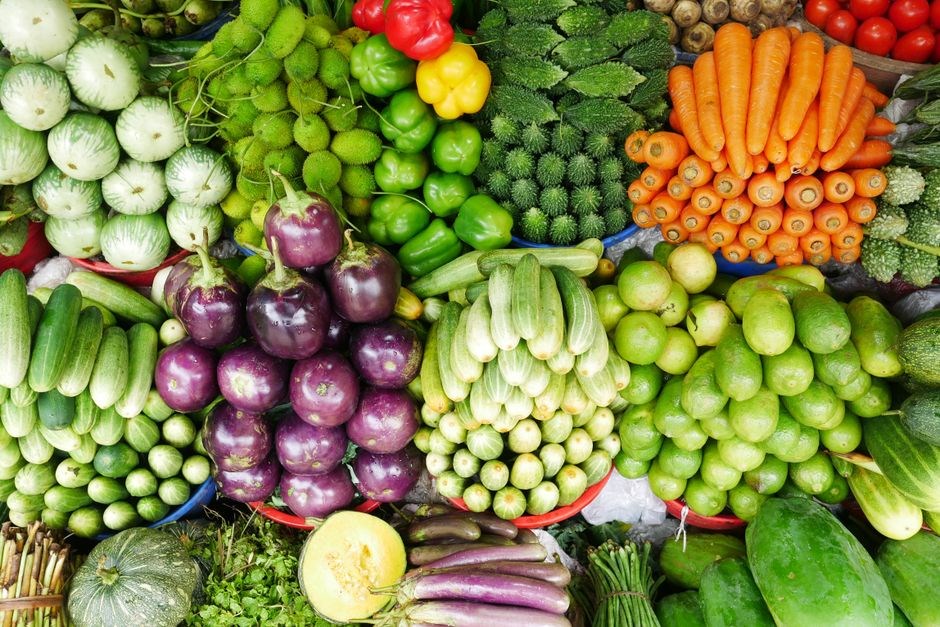
Plan weekly menus by selecting vegetables from the PDF list. Use the alphabetical guide to ensure variety, track nutrients, and balance colors. Print or save the PDF, then mark items in a grocery list. This method streamlines shopping and encourages healthy meals. Add seasonal options to boost flavor.
Creating a Weekly Vegetable Checklist
Start by downloading an alphabetical PDF list of vegetables. Print it or view it on a tablet so you can reference it while shopping. Divide the list into three main groups: leafy greens, root vegetables, and cruciferous family members. For each day of the week, pick one new vegetable from each group—this guarantees you’ll try a variety of textures and flavors. Mark the chosen items on a printable sheet or a digital note, and as you shop, tick off each vegetable you actually purchase. At the end of the week, review the checklist to see which vegetables you tried, which you liked, and which you might want to replace. This simple routine encourages regular exposure to a wide range of produce, helps you track dietary diversity, and supports balanced meal planning. Remember to check the “Buy American” label when available, and always verify freshness before purchase. Update the checklist weekly by adding new entries or removing items that no longer interest you. Use the PDF’s built‑in search to find specific vegetables quickly, and highlight or annotate items you’re interested in. When you’re at the market, bring a small notebook or a phone app to tick off each vegetable as you add it to your cart; this real‑time tracking keeps the checklist fresh and motivates you to try new items. Keep a copy of the updated list in your pantry or fridge door so that every meal prep session starts with a clear visual reminder of the vegetables you’ve already explored and those you still want to discover. Vegetable!
Integrating Vegetables into Recipes
By integrating the PDF list into your routine, you can craft menus such as a Mediterranean night or a root roast. The PDF’s sections help spot missing nutrients, and the printable checklist keeps you accountable. Keep the file on your phone or cloud to update it with local produce as seasons change, maintaining a fresh daily and health and strategy.
Storing and Preserving Fresh Vegetables
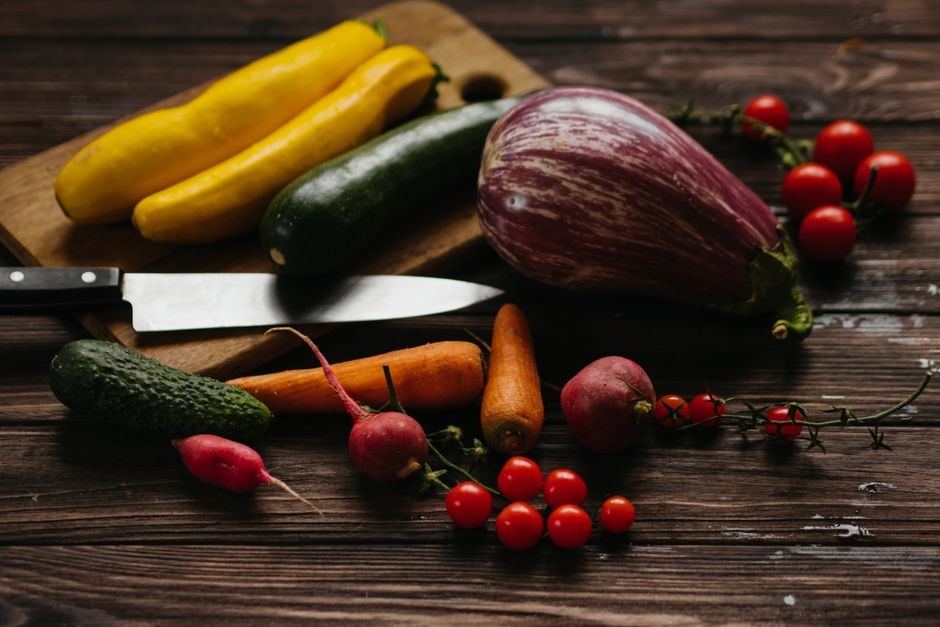
Use the PDF list as a quick reference for optimal storage conditions. Different families require distinct humidity and temperature settings. Leafy greens thrive at 32–36 °F (0–2 °C) with high humidity; root crops prefer 32 °F (0 °C) and low humidity. Keep cruciferous items like broccoli and cauliflower in perforated plastic bags to allow airflow, while carrots and beets do best in paper bags to reduce moisture loss. For herbs, trim stems, place in water, cover loosely with a bag, and refrigerate. Store tomatoes at room temperature to preserve flavor; once ripe, move them to the fridge to extend shelf life. Use the PDF’s “Family” column to quickly identify which vegetables share similar storage needs, reducing waste and maintaining nutritional quality. For long‑term preservation, blanch cruciferous and leafy greens for 2–3 minutes, then freeze in airtight containers. Root vegetables can be cured in a warm, dry area for 24 hours before refrigeration. Always check the PDF for specific varieties, as some heirloom types may have unique requirements. By integrating the PDF guide into your pantry routine, you can keep produce fresher, cut down on spoilage, and enjoy a healthier diet throughout the year. Additionally, labeling containers with the date of purchase helps track freshness. For leafy greens, rotating stock ensures older items are used first. When freezing, consider pre‑cutting vegetables into bite‑size pieces for convenience. The PDF list often includes recommended shelf‑life durations, which can guide your meal planning. Remember to keep the refrigerator door closed as much as possible to maintain stable temperatures. Finally, practice the “first in, first out” principle to minimize waste.
International Vegetable Variants in PDFs
Global vegetable catalogs in PDF format showcase regional specialties, from Asian daikon and Japanese daikon radish to Mediterranean eggplant and African okra. Each entry includes a high‑resolution image, local name, and nutritional snapshot, allowing users to compare vitamin content across cultures. The PDFs often feature a “regional spotlight” section where lesser‑known greens such as Indian mustard, Korean perilla, or Brazilian feijoa are highlighted. By downloading these multilingual lists, dietitians can tailor meal plans that respect cultural preferences while meeting dietary guidelines. The format supports embedded hyperlinks to cooking tutorials, allowing readers to explore traditional preparations like Thai papaya salad, Moroccan tagine, or Ethiopian injera accompaniments. Additionally, many PDFs provide export options to Excel or CSV, enabling researchers to analyze consumption patterns across continents. Users can annotate directly on the PDF, adding personal notes about taste, texture, or availability, and then share the annotated version with a community of food enthusiasts worldwide. The inclusion of international variants not only broadens culinary horizons but also encourages sustainable sourcing by highlighting locally abundant produce in each region.These PDFs also integrate QR codes linking to video tutorials, seasonal shopping lists, and local farmer market directories, enabling users to discover fresh, produce and support sustainable agriculture worldwide!
Accessibility Features in PDF Vegetable Guides
When designing a vegetable list in PDF format, accessibility is essential for users who rely on assistive technologies. First, ensure the document is tagged correctly so that screen readers can interpret headings, lists, and tables. Use proper heading levels (H1–H6) to create a clear outline. Second, provide alternative text for every image of a vegetable; this text should describe the vegetable’s appearance and any distinguishing features. Third, make the PDF searchable by embedding the text layer rather than using scanned images. Fourth, include a Table of Contents with clickable links that jump to each section, allowing quick navigation. Fifth, use high‑contrast color schemes and a readable font size (at least 12 pt) so that users with visual impairments can read the list. Sixth, add landmark roles (e.g., role="navigation", role="main") so that screen‑reader users can skip repetitive content. Seventh, provide metadata such as title, author, and keywords to help search engines index the PDF. Finally, test the PDF with accessibility checkers like Adobe Acrobat’s Accessibility Checker or the PDF Accessibility Standards (PDF/UA) to confirm compliance. By incorporating these features, a vegetable PDF guide becomes inclusive, allowing everyone to access and benefit from the information. It supports users with diverse needs. for all diets. recipes.
Updating and Maintaining Your Vegetable PDF Library
Keeping your vegetable PDF collection fresh requires a few simple steps. First, set a regular review schedule—monthly or quarterly—so you can spot outdated entries or missing varieties. When a new vegetable guide is released, download it in the same format you use for your library (PDF, Excel, Word, or plain text) and store it in a dedicated folder. Use a consistent naming convention, such as “Vegetables_AtoZ_2026.pdf,” to make future searches effortless. Back up the folder to an external drive or cloud service; this protects against data loss and allows you to sync across devices. If you notice duplicate files, delete the older version after confirming that the newer one contains all the information you need. Finally, add metadata tags or a short description in the PDF’s properties so you can quickly identify the content type, publication date, and any special notes (e.g., “contains nutritional facts” or “includes international variants”). By following these steps, your library stays organized, up‑to‑date, and ready for any culinary research or meal‑planning project.
When you acquire a new PDF, compare its metadata with the existing file’s properties. If the publication date is newer, replace the older version to keep the library current. Add a “last reviewed” stamp in the PDF footer so future users know when the content was last checked. For large collections, maintain a simple spreadsheet listing each file name, format, and date added. This log aids in tracking changes and serves as a quick reference for researchers or cooks needing the most recent data.
Keep the library organized and up to date.