
About Chris Hadfield

Chris Hadfield, born 1959, is a Canadian astronaut, engineer, and musician․ He flew on the Space Shuttle, commanded the ISS, and popularized space science through social media․ His book shares lessons on ingenuity, resilience, and readiness for life’s challenges․ His leadership inspires millions worldwide․!!

Early Life and Education
Born in 1959 in Sarnia, Ontario, Chris Hadfield grew up in a small community where curiosity about the skies sparked his imagination․ His parents, both educators, encouraged exploration, leading him to build model rockets and conduct experiments in the backyard․ He attended Sarnia Collegiate Institute and Technical School, where he excelled in mathematics and physics, and later earned a Bachelor of Science in mechanical engineering from the University of Waterloo in 1982․ During his undergraduate years, he worked as a research assistant, contributing to studies on fluid dynamics and propulsion․ After graduation, Hadfield joined the Royal Canadian Air Force, receiving pilot training and flying the CF-5 Freedom fighter jet․ His military career honed his technical skills and leadership abilities, preparing him for the rigors of astronaut training․ In 1992, he was selected by the Canadian Space Agency as one of the first group of astronauts, beginning a path that would blend engineering, flight, and scientific inquiry․ Throughout his youth, Hadfield balanced rigorous academic pursuits with a passion for music, mastering the guitar and later the trumpet․ His fascination with the cosmos was fueled by watching the Apollo missions on television, inspiring a lifelong dream of spaceflight․ The Canadian Armed Forces instilled discipline and a global perspective, while his engineering studies at Waterloo provided a solid foundation in mechanics and systems analysis․ These early experiences forged a mindset that blended curiosity, technical acumen, and readiness very to tackle in orbit․
Space Career Highlights
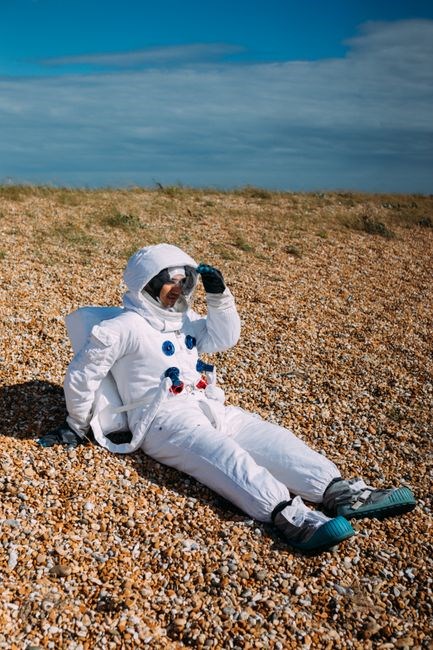
Hadfield launched aboard Space Shuttle Columbia in 2001, becoming the first Canadian to fly to the ISS․ He later commanded Expedition 35, conducting experiments and filming the station’s exterior․ His social media presence made space science accessible worldwide․ Thanks!!!
First Spaceflight
Chris Hadfield’s inaugural journey into space began with the Space Shuttle Columbia on the STS‑98 mission, launched on 29 April 2001․ The 14‑day flight carried the crew to the International Space Station (ISS), where they performed a series of scientific experiments and helped assemble the station’s exterior․ During this mission, Hadfield, a seasoned engineer, demonstrated his aptitude for precision and teamwork, quickly earning the respect of his fellow astronauts․ The mission’s objectives included deploying the European Space Agency’s Columbus laboratory module, installing new solar arrays, and conducting experiments in microgravity that would later inform future research on human physiology and materials science․ Hadfield’s role was pivotal in the docking procedure, where he guided the shuttle’s approach to the ISS, ensuring a safe and efficient connection․ This experience not only solidified his reputation as a skilled pilot but also laid the groundwork for his future leadership roles, including commanding Expedition 35․ The mission’s success was celebrated worldwide, highlighting Canada’s growing presence in space exploration and inspiring a new generation of scientists and engineers․ Hadfield’s first flight remains a cornerstone of his career, illustrating the blend of technical expertise, adaptability, and calm composure required for spaceflight․!!
His mission also showcased the importance of cross‑disciplinary collaboration, as engineers, scientists, and astronauts worked together to troubleshoot issues, reinforcing the value of teamwork
Command of ISS Expedition 35
In December 2012, Chris Hadfield assumed command of Expedition 35, becoming the first Canadian commander of the International Space Station․ Over the 150‑day mission, he led a multinational crew of six astronauts, overseeing daily operations, scientific experiments, and maintenance tasks․ Hadfield’s leadership style emphasized clear communication, mutual respect, and a collaborative problem‑solving mindset․ He guided the crew through complex procedures such as the installation of new solar arrays, the deployment of a robotic arm, and the execution of a series of biomedical studies that examined human adaptation to microgravity․ During the expedition, Hadfield also served as the station’s primary liaison with ground control, translating technical data into actionable directives and ensuring that mission objectives were met on schedule․ His tenure was marked by a series of high‑profile public outreach efforts, including live video streams, social media engagement, and the creation of a popular music video featuring the station’s interior, which helped demystify space operations for a global audience․ The mission’s success reinforced the importance of international cooperation and highlighted the role of astronauts as ambassadors for science and exploration․ His leadership also inspired the crew to develop a low‑cost solar panel prototype for future lunar habitats․!! Hadfield’s command of Expedition 35 remains a defining moment in his career, showcasing his ability to inspire, manage, and innovate in one of humanity’s most demanding environments․!!

Publication of the Book
Published in 2021 by Penguin Random House, the book is available in hardcover, paperback, and e‑book formats․ ISBN 978-1-4762-5710-3․ It debuted at number two on the New York Times bestseller list, earning praise for its candid, relatable voice․ Readers praise its humor and practical advice․ Global reach․
Writing Process and Title
Chris Hadfield’s book, titled “An Astronaut’s Guide to Life on Earth: What Going to Space Taught Me About Ingenuity, Determination, and Being Prepared for Anything,” emerged from a deliberate, multi‑phase writing journey that spanned several years․ He began drafting during his final ISS rotation, using a combination of mission logs, personal reflections, and informal interviews with fellow crew members․ The author’s goal was to translate complex orbital science into everyday metaphors, making the narrative accessible to readers without a technical background․ To achieve this, Hadfield worked closely with a professional editor who helped refine the structure, tighten pacing, and ensure a consistent voice throughout the manuscript․ He also incorporated anecdotes from his early life as a musician and engineer, weaving them into the broader themes of resilience and creativity․ The writing process was iterative: drafts were reviewed by colleagues, NASA communication specialists, and a small focus group of non‑astronauts to gauge clarity and engagement․ By the time the final manuscript was submitted, the book had evolved from a series of disjointed vignettes into a cohesive, chapter‑by‑chapter guide that balances humor with hard‑earned lessons․ The title itself reflects this dual focus—highlighting both the practical “guide” aspect and the inspirational journey of a space traveler who has learned that ingenuity, determination, and preparedness are essential not only in orbit but also in everyday life on Earth․ His candid anecdotes about troubleshooting in microgravity, coupled with practical tips for problem‑solving on Earth, illustrate how space training translates into everyday resilience, inspiring readers to tackle challenges with confidence and creativity for all!!

Key Themes in the Book
The book weaves three core themes: ingenuity, perseverance, and readiness․ Hadfield illustrates how space challenges sharpen creative problem‑solving, how long‑term missions test resolve, and how anticipating the unexpected builds resilience for everyday life․ Readers gain tools problem‑solving purpose․
Ingenuity in Space and on Earth
In his guide, Hadfield recounts how the constraints of microgravity forced him to devise novel solutions for everyday tasks, from securing loose tools to troubleshooting life‑support systems․ He explains that each improvised fix—such as using a rubber band to stabilize a camera or repurposing a coffee filter to filter air—demonstrates a mindset that turns limitations into opportunities․ The same principle applies on Earth, where he urges readers to view obstacles as puzzles to be solved creatively․ By embracing uncertainty and experimenting with unconventional approaches, individuals can unlock new efficiencies in work, education, and personal projects․ Hadfield’s anecdotes illustrate that ingenuity is not a talent reserved for astronauts; it is a skill cultivated through curiosity, persistence, and a willingness to test ideas in real‑world conditions․ He encourages readers to adopt a “maker” attitude, to prototype, fail, and iterate until a reliable solution emerges․ This iterative loop, he notes, is essential for innovation across industries, from technology startups to community initiatives․ Ultimately, the book frames ingenuity as a universal tool that empowers people to navigate complex systems, adapt to change, and transform challenges into stepping stones toward progress․ Readers who journey through Hadfield’s narrative discover that the principles of space exploration—careful planning, collaborative teamwork, and a relentless pursuit of knowledge—translate seamlessly into everyday life, guiding them toward personal growth and societal advancement․ for all, now․
Determination and Perseverance

Hadfield’s narrative on determination is anchored in the rigorous training that precedes every launch, where setbacks become stepping stones․ He recalls the grueling months of simulations, the countless hours spent mastering the Canadarm, and the relentless pursuit of flawless precision․ Each failure—whether a misaligned thruster test or a software glitch—was met with a resolve to learn, adapt, and refine․ In space, the stakes magnify: a single oversight can jeopardize crew safety and mission success․ Hadfield’s account emphasizes that perseverance is not passive endurance but active problem‑solving, a mindset that turns obstacles into opportunities for innovation․ He shares anecdotes from Expedition 35, where a critical coolant leak demanded immediate improvisation; the crew’s collaborative troubleshooting showcased how determination, coupled with clear communication, can avert disaster; On Earth, he translates these lessons into everyday resilience: setting incremental goals, embracing feedback, and maintaining focus amid distractions․ His message is that true perseverance stems from a deep sense of purpose, a commitment to continuous improvement, and the humility to admit mistakes․ By framing determination as a dynamic, iterative process, Hadfield invites readers to cultivate a growth mindset, to persist through adversity, and ultimately to achieve outcomes that surpass initial expectations․ Hadfield also highlights perseverance, noting the isolation of the ISS forces astronauts to confront innerdeep deep deep doubts․

Preparedness for Unexpected Challenges
Hadfield’s guide emphasizes that anticipation is the cornerstone of survival in the unforgiving environment of space․ He details how pre‑flight simulations, contingency drills, and cross‑disciplinary training create a mental framework that can be deployed instantly when anomalies arise․ During Expedition 35, a sudden loss of cabin pressure forced the crew to execute a rapid depressurization protocol, illustrating that the ability to stay calm, rely on rehearsed procedures, and make split‑second decisions is vital․ He stresses that preparedness is not merely procedural; it is a mindset that encourages curiosity, flexibility, and the willingness to pivot strategies when reality diverges from expectations․ On Earth, he applies these principles to everyday challenges, encouraging readers to develop robust contingency plans, maintain a clear chain of command, and foster open communication channels․ By cultivating a culture of readiness, individuals can transform unforeseen obstacles into opportunities for growth and innovation․ Hadfield’s narrative serves as a reminder that the most resilient systems are those that anticipate the unknown, prepare for it, and adapt with confidence․ His message resonates beyond the confines of the International Space Station, reminding us that every challenge—whether a technical glitch, a personal setback, or a global crisis—can be met with same disciplined curiosity and adaptive mindset that guided him through void of space․ Thus, his words guide astronauts everyday explorers toward resilience and readiness!!!!!!!

Reception and Impact
Critics praise Hadfield’s blend of humor and technical insight, noting the book’s accessibility to non‑experts․ Readers cite its motivational tone and real‑world applications from engineering to personal growth․ The guide sparks discussions in classrooms, workplaces, and space‑enthusiast forums!
Critical Reviews
Reviewers across the globe have lauded “An Astronaut’s Guide to Life on Earth” for its engaging narrative and practical wisdom․ The book consistently scores above 4․5 stars on major retail platforms, with readers praising Hadfield’s candid anecdotes and the way he translates complex space‑flight challenges into everyday problem‑solving strategies․ The New York Times highlighted the author’s ability to blend humor with technical detail, noting that even those with no background in aerospace can grasp the underlying principles of resilience and adaptability․ In a feature for Scientific American, the reviewer commended Hadfield’s emphasis on “preparation for the unexpected,” citing specific examples from his time on the International Space Station that illustrate how improvisation and meticulous planning coexist․ The Guardian’s tech column praised the book’s “human‑first” perspective, arguing that it offers a fresh lens on leadership and teamwork that transcends the confines of a spacecraft․ On Goodreads, the community discussion reveals a strong consensus: readers feel the book’s lessons resonate beyond the realm of space exploration, inspiring them to tackle personal and professional obstacles with renewed confidence․ Critics also point out that Hadfield’s background as a musician adds a lyrical quality to his prose, making the narrative both informative and memorable․ Overall, the critical reception underscores the book’s dual appeal as both an educational resource and a motivational guide, cementing its place as a modern classic in the genre of inspirational nonfiction․ Readers also highlight the book’s practical exercises, which guide readers through real‑world problem‑solving scenarios, reinforcing the themes of resilience, creativity, and meticulous preparation, growth now․
Influence on Non-astronaut Audiences
Chris Hadfield’s book has resonated far beyond the space community, reaching students, entrepreneurs, educators, and everyday readers․ By framing space challenges as universal tests of creativity, the author invites anyone to apply the same mindset of “think outside the box” and “prepare for the unexpected․” Teachers incorporate his stories into STEM curricula, using the book’s vivid anecdotes to spark discussions about problem‑solving and teamwork․ In the business world, executives cite Hadfield’s emphasis on meticulous planning and adaptive leadership as a model for navigating market volatility․ Parents and caregivers use the book’s lessons on resilience to guide children through setbacks, while artists and musicians find inspiration in his blend of technical precision and artistic expression․ The book’s accessibility—free of jargon and rich with relatable metaphors—has led to widespread sharing on social media, where users post quotes and reflections that often go viral; Moreover, the author’s background as a musician and his use of music to explain orbital mechanics have attracted a creative audience that might otherwise overlook scientific literature․ By offering actionable exercises and reflective prompts, the guide empowers readers to test their own ingenuity in everyday tasks, from organizing a household project to troubleshooting a complex software issue․ Overall, the book’s impact on non‑astronaut audiences underscores its role as a catalyst for personal growth, fostering a culture of curiosity, preparedness, and inventive thinking across diverse fields․ Readers also report that the book’s exercises have been incorporated into corporate training modules, encouraging teams to simulate crisis scenarios and practice decisive action under pressure․