Retrocalcaneal Bursitis Exercises: A Comprehensive Plan
Navigating retrocalcaneal bursitis requires a structured exercise approach‚ often detailed in downloadable guides – a retrocalcaneal bursitis exercises PDF – to alleviate heel pain and restore function․
Effective programs incorporate stretching‚ strengthening‚ and proprioceptive drills‚ progressively loading the heel to promote healing and prevent recurrence‚ as outlined in available resources․
These plans emphasize calf flexibility‚ scapular stabilization‚ and balanced rehabilitation‚ offering a pathway to long-term management and a return to desired activities‚ per expert advice․
Understanding Retrocalcaneal Bursitis
Retrocalcaneal bursitis involves inflammation of the bursa‚ a fluid-filled sac‚ located between the Achilles tendon and the heel bone (calcaneus)․ This condition often arises from overuse‚ repetitive stress‚ or improper footwear‚ leading to pain at the back of the heel․ Understanding the mechanics of this area is crucial when following a retrocalcaneal bursitis exercises PDF․
The bursa normally reduces friction‚ but inflammation disrupts this function‚ causing discomfort during walking or running․ Individuals seeking relief through exercise programs‚ often found in PDF format‚ must recognize that these exercises aim to restore proper biomechanics and reduce stress on the inflamed bursa․ A comprehensive PDF will detail the anatomy and how specific movements impact the affected area․
Effective exercise plans address muscle imbalances and improve flexibility‚ ultimately alleviating pain and promoting healing․ Therefore‚ a solid understanding of the condition’s root cause is paramount before embarking on any exercise regimen detailed in a retrocalcaneal bursitis exercises PDF․
Causes and Risk Factors
Several factors contribute to retrocalcaneal bursitis‚ often addressed within a retrocalcaneal bursitis exercises PDF as preventative measures․ Overuse‚ particularly from activities involving repetitive heel strikes – running‚ jumping – is a primary cause․ Improper footwear lacking adequate heel support significantly increases risk‚ as does tight Achilles tendons restricting ankle movement․
Individuals with high arches or pronated feet are also predisposed‚ altering biomechanics and stressing the bursa․ Sudden increases in training intensity or duration can overwhelm the bursa’s capacity‚ leading to inflammation․ A well-designed PDF will highlight these risk factors and tailor exercises accordingly․
Furthermore‚ certain anatomical variations or previous injuries can contribute․ Understanding these causes is vital when interpreting a retrocalcaneal bursitis exercises PDF‚ allowing for personalized modification and preventing re-injury through targeted strengthening and flexibility work․
Symptoms of Retrocalcaneal Bursitis
Recognizing the symptoms is crucial when utilizing a retrocalcaneal bursitis exercises PDF․ The hallmark is pain at the back of the heel‚ often worsening with activity‚ particularly during walking‚ running‚ or when shoes press against the area․ Initially‚ pain may be mild‚ developing after exercise‚ but can progress to constant discomfort․
Swelling and tenderness are common‚ localized directly over the Achilles tendon insertion․ Morning stiffness is frequently reported‚ easing somewhat with movement․ A retrocalcaneal bursitis exercises PDF will often emphasize exercises to gently improve range of motion and reduce this stiffness․
In severe cases‚ a visible bump may develop․ Pain can limit activity and impact gait․ Accurate symptom identification‚ guided by resources like a PDF‚ is essential for appropriate exercise selection and avoiding exacerbation of the condition․
Non-Surgical Treatment Options
Prior to considering surgery‚ a retrocalcaneal bursitis exercises PDF often complements rest‚ ice‚ heat‚ and pain relief for symptom management and recovery․
Rest and Activity Modification
Initial management of retrocalcaneal bursitis‚ as often detailed within a retrocalcaneal bursitis exercises PDF‚ fundamentally centers on reducing stress to the inflamed bursa․ This necessitates a period of relative rest‚ not necessarily complete immobilization‚ but a significant decrease in activities that aggravate the heel pain․
Activity modification is crucial; consider temporarily avoiding high-impact exercises like running and jumping‚ and potentially adjusting daily routines to minimize prolonged standing or walking․
A gradual return to activity is paramount‚ guided by pain levels․ Pushing through pain can exacerbate the inflammation and delay healing․ The PDF resources typically advocate for a phased approach‚ slowly reintroducing activities as tolerance improves‚ alongside prescribed exercises․
Listening to your body and respecting its limitations during this phase is essential for successful non-surgical management․
Ice and Heat Therapy
A retrocalcaneal bursitis exercises PDF will commonly outline the strategic use of both ice and heat as integral components of pain management․ Initially‚ ice application – typically for 15-20 minutes several times a day – is recommended to reduce inflammation and numb the area‚ providing immediate pain relief․
However‚ after the acute inflammatory phase subsides‚ heat therapy can be beneficial․ Applying heat‚ such as a warm compress or soaking the foot‚ helps increase blood flow‚ relax muscles‚ and improve tissue flexibility․
The PDF resources often suggest alternating between ice and heat‚ depending on symptom presentation․ Experimenting to determine which provides greater comfort is encouraged‚ always protecting the skin during application․
Combining these therapies with prescribed exercises can optimize healing and pain reduction․
Over-the-Counter Pain Relief

A comprehensive retrocalcaneal bursitis exercises PDF frequently acknowledges the role of over-the-counter (OTC) pain relievers in managing discomfort․ Nonsteroidal anti-inflammatory drugs (NSAIDs)‚ like ibuprofen or naproxen‚ are commonly recommended to reduce pain and inflammation associated with the condition․
Acetaminophen can also provide pain relief‚ though it doesn’t address inflammation directly․ These medications offer a temporary solution‚ allowing individuals to participate more comfortably in prescribed exercises․
The PDF guides typically advise following dosage instructions carefully and consulting a healthcare professional if pain persists or worsens despite OTC medication․
It’s crucial to remember that OTC pain relief is a supportive measure‚ best used in conjunction with a structured exercise and rehabilitation program for lasting improvement․
Specific Exercises for Retrocalcaneal Bursitis
Retrocalcaneal bursitis exercises PDFs detail targeted movements like calf stretches‚ bent-knee heel lifts‚ and towel stretches‚ promoting flexibility and reducing heel pain effectively․
Calf Stretching (Gastrocnemius & Soleus)
Calf muscle flexibility‚ as detailed in retrocalcaneal bursitis exercises PDFs‚ is crucial for alleviating heel pain․ The gastrocnemius and soleus muscles significantly impact ankle mechanics and bursal pressure․
To stretch the gastrocnemius‚ perform a wall stretch with a straight knee‚ leaning forward until a stretch is felt in the upper calf․ Hold for 20-60 seconds‚ repeating several times․
For the soleus‚ bend the knee slightly during the wall stretch‚ targeting the lower calf muscle․ Maintaining consistent flexibility in both muscles reduces strain on the retrocalcaneal bursa․
These stretches‚ often illustrated in PDF guides‚ should be performed gently‚ avoiding any sharp pain‚ and are foundational to a comprehensive rehabilitation program for retrocalcaneal bursitis․
Regular stretching improves range of motion and minimizes irritation‚ supporting the healing process and preventing future flare-ups‚ as recommended by physical therapy resources․
Bent Knee Heel Lifts
Bent knee heel lifts‚ frequently detailed within retrocalcaneal bursitis exercises PDFs‚ are a key exercise for strengthening calf muscles while minimizing stress on the Achilles tendon and bursa․
To perform this exercise‚ stand with feet slightly apart and toes pointed forward․ Bend your knees‚ moving them forward slightly‚ and then slowly raise your heels off the ground as high as comfortably possible․
Focus on controlled movement‚ squeezing the calf muscles at the top of the lift․ Lower the heels back down slowly‚ maintaining control throughout the exercise․ This targets the soleus muscle effectively․
PDF guides often recommend starting with a smaller range of motion and gradually increasing it as strength improves․ Performing several repetitions in sets is generally advised․
This exercise‚ when incorporated into a broader rehabilitation plan‚ helps improve ankle stability and reduces the load on the retrocalcaneal bursa‚ promoting healing and function․
Wall Calf Stretch
The wall calf stretch‚ a cornerstone exercise frequently illustrated in retrocalcaneal bursitis exercises PDFs‚ effectively targets both the gastrocnemius and soleus muscles‚ improving flexibility and reducing tension around the heel․
To execute this stretch‚ stand facing a wall with one foot slightly behind the other․ Lean forward‚ placing your hands on the wall for support‚ keeping your back heel firmly planted on the ground․
Maintain a straight back and gently lean into the stretch‚ feeling it in your calf muscle․ Hold this position for 20-60 seconds‚ breathing deeply․ Repeat several times on each leg․
PDF resources emphasize keeping the back leg straight to target the gastrocnemius‚ and bending the knee slightly to focus on the soleus muscle․ Consistency is key for optimal results․
Regularly performing this stretch helps alleviate tightness‚ reducing stress on the retrocalcaneal bursa and promoting a more comfortable range of motion during daily activities․
Towel Stretch for Plantar Fascia
A towel stretch‚ commonly detailed within retrocalcaneal bursitis exercises PDFs‚ is a simple yet effective method for improving plantar fascia flexibility‚ indirectly easing tension contributing to heel pain․
To perform this stretch‚ sit on the floor with your legs extended․ Loop a towel around the ball of your affected foot‚ holding the ends of the towel with your hands․
Gently pull back on the towel‚ keeping your knee straight‚ until you feel a stretch along the arch of your foot․ Hold this position for 15-30 seconds‚ maintaining a controlled pull;
PDF guides often recommend repeating this stretch several times a day‚ especially after activity or first thing in the morning‚ to address plantar fascia tightness․
This stretch complements calf stretches‚ creating a holistic approach to addressing biomechanical factors that can exacerbate retrocalcaneal bursitis symptoms and promote healing․
Advanced Exercises & Rehabilitation
Progressing beyond basic stretches‚ retrocalcaneal bursitis exercises PDFs detail advanced rehabilitation‚ including theraband rows‚ heel raises‚ and balance training for optimal recovery․
Theraband Rows for Scapular Stabilization
Although seemingly unrelated to heel pain‚ scapular stabilization significantly impacts overall biomechanics and can indirectly alleviate retrocalcaneal bursitis symptoms‚ as detailed in comprehensive exercise PDFs․
Theraband rows target the muscles surrounding the shoulder blades‚ correcting postural imbalances that contribute to altered gait patterns and increased stress on the Achilles tendon and heel․
To perform this exercise‚ anchor a theraband to a stable object at chest height․ Sit or stand with good posture‚ holding the band with a neutral grip․
Pull the band towards your chest‚ squeezing your shoulder blades together‚ and then slowly return to the starting position․ Focus on controlled movements and maintaining proper form․
These rows strengthen the rhomboids‚ trapezius‚ and other scapular stabilizers‚ promoting a more efficient and pain-free movement pattern‚ ultimately supporting heel health․
Heel Raises (Progressive Loading)
Heel raises are a cornerstone of retrocalcaneal bursitis rehabilitation‚ progressively strengthening the calf muscles and improving Achilles tendon resilience‚ as outlined in detailed exercise PDFs․
Begin with bilateral heel raises‚ standing with feet flat and slowly lifting heels off the ground as high as comfortably possible‚ maintaining control throughout the movement․
As strength improves‚ progress to single-leg heel raises‚ increasing the challenge and further enhancing calf muscle endurance and stability‚ crucial for reducing heel stress․
Progressive loading involves gradually increasing the resistance – using weights or resistance bands – to continually challenge the muscles and promote adaptation․
This systematic approach ensures safe and effective strengthening‚ minimizing the risk of re-injury and facilitating a return to pain-free activity‚ per rehabilitation protocols․
Proprioceptive Exercises (Balance Training)
Proprioception‚ the body’s awareness of its position in space‚ is vital for ankle stability and injury prevention‚ often detailed within retrocalcaneal bursitis exercises PDFs․
Simple exercises include single-leg stance‚ holding the position for increasing durations‚ challenging balance and activating stabilizing muscles around the ankle joint․
Introduce unstable surfaces like foam pads or wobble boards to further enhance proprioceptive input‚ demanding greater muscle control and coordination․
Dynamic balance drills‚ such as walking heel-to-toe or performing controlled ankle circles‚ improve functional stability during movement and daily activities․
These exercises retrain the neuromuscular system‚ restoring proper biomechanics and reducing the risk of re-injury‚ contributing to long-term heel health and function․
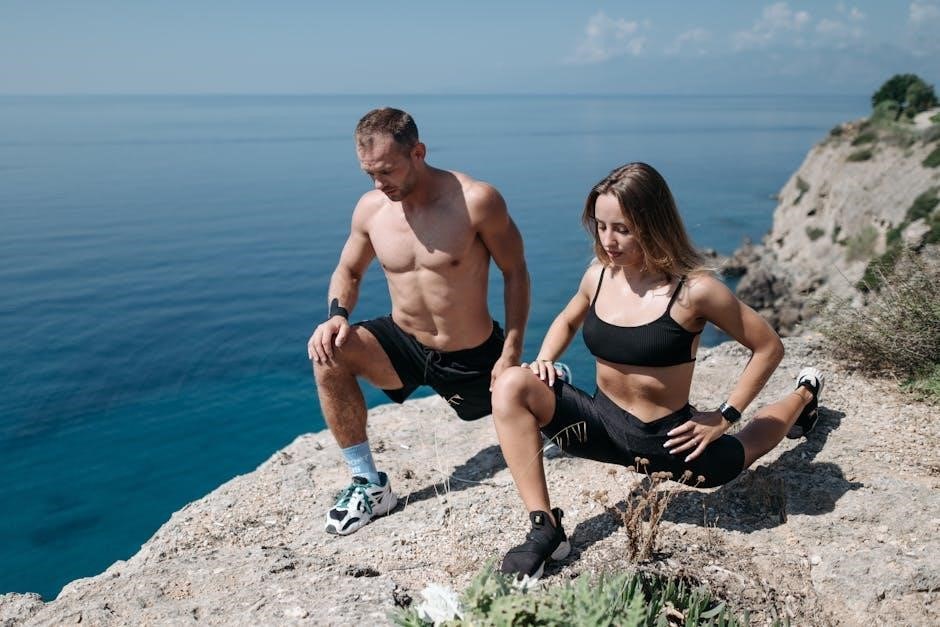
Preventative Measures & Long-Term Management
Consistent exercise‚ proper footwear‚ and gradual activity resumption – often detailed in retrocalcaneal bursitis exercises PDFs – are key for sustained heel health and preventing flare-ups․
Proper Footwear and Orthotics
Selecting appropriate footwear is paramount in managing retrocalcaneal bursitis‚ often detailed within comprehensive retrocalcaneal bursitis exercises PDFs․ Shoes should offer excellent heel cushioning and support‚ minimizing stress on the Achilles tendon and bursa․
Avoid high heels or shoes with rigid backs‚ as these exacerbate the condition․ Consider heel lifts or orthotics – custom or over-the-counter – to reduce pressure and improve alignment․
Orthotics can elevate the heel‚ decreasing strain on the bursa‚ and provide arch support‚ addressing biomechanical imbalances․ A podiatrist can assess your gait and recommend the most suitable orthotic solution․
Regularly inspect footwear for wear and tear‚ replacing shoes when cushioning diminishes․ Prioritizing supportive footwear is a crucial preventative measure‚ complementing exercise regimens found in dedicated PDF guides․
Maintaining Calf Flexibility
Consistent calf stretching is a cornerstone of retrocalcaneal bursitis management‚ frequently emphasized in retrocalcaneal bursitis exercises PDFs․ Tight calf muscles increase stress on the Achilles tendon and‚ consequently‚ the retrocalcaneal bursa․
Regularly perform both gastrocnemius and soleus stretches‚ holding each for 20-60 seconds․ Wall calf stretches and towel stretches are effective techniques‚ detailed in many exercise guides․
Focus on a gentle‚ controlled stretch‚ avoiding bouncing or overextension․ Incorporate these stretches into a daily routine‚ even during periods of symptom relief‚ to prevent recurrence․
Improved calf flexibility reduces strain on the heel‚ promoting bursa healing and enhancing overall lower limb biomechanics‚ as outlined in comprehensive rehabilitation PDFs․
Gradual Return to Activity
A phased return to activity is crucial after addressing retrocalcaneal bursitis‚ often detailed within a retrocalcaneal bursitis exercises PDF․ Avoid abruptly resuming previous activity levels‚ as this can re-irritate the bursa․
Begin with low-impact exercises‚ gradually increasing intensity and duration․ Monitor for any recurrence of pain or inflammation‚ adjusting the progression accordingly․
Prioritize proper footwear and consider orthotics for added support․ Listen to your body and avoid pushing through pain‚ as outlined in rehabilitation protocols․
Progressive loading‚ guided by a physical therapist or exercise PDF‚ ensures a safe and sustainable return to desired activities‚ minimizing the risk of re-injury and promoting long-term healing․